Venezia
From Kāśī (Varanasi) to Venezia
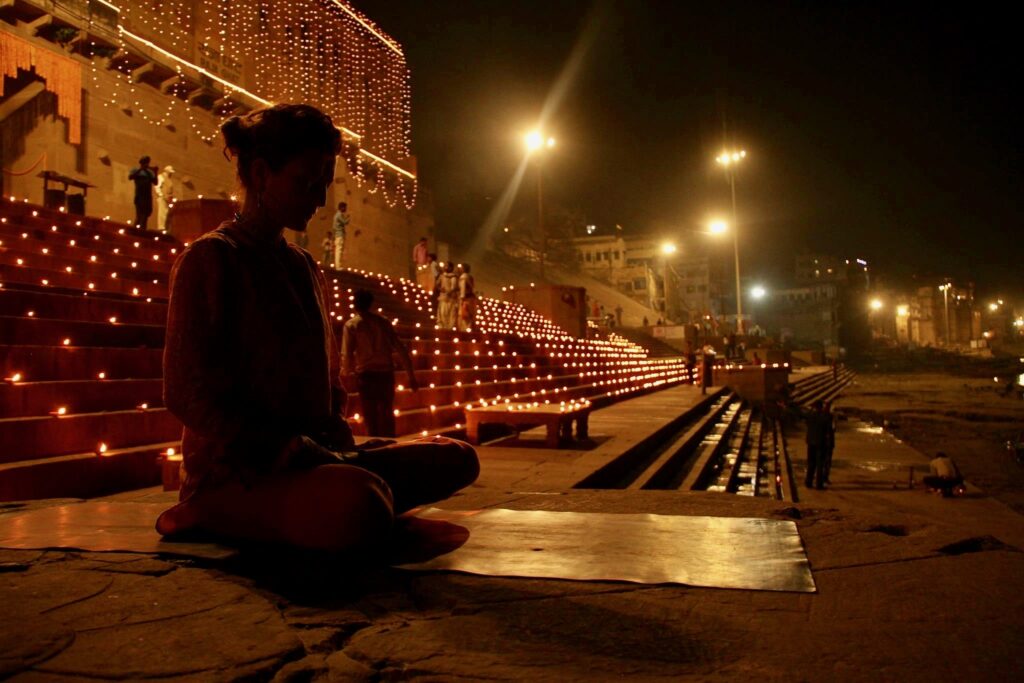
Kāśī has always meant something more to me than simply a place.
For many years, Varanasi has been part of my search — a city where I practiced, studied, and tried to understand some of the questions that have accompanied me throughout my life. It is a place where life and death exist side by side, where devotion is woven into everyday life, and where the boundary between what ends and what begins can sometimes feel extraordinarily thin.
My Guruji once asked me where I imagined myself living and teaching. When I spoke about leaving Italy, his answer was immediate:
“Kāśī. You love spiritual places.”
Those words stayed with me.
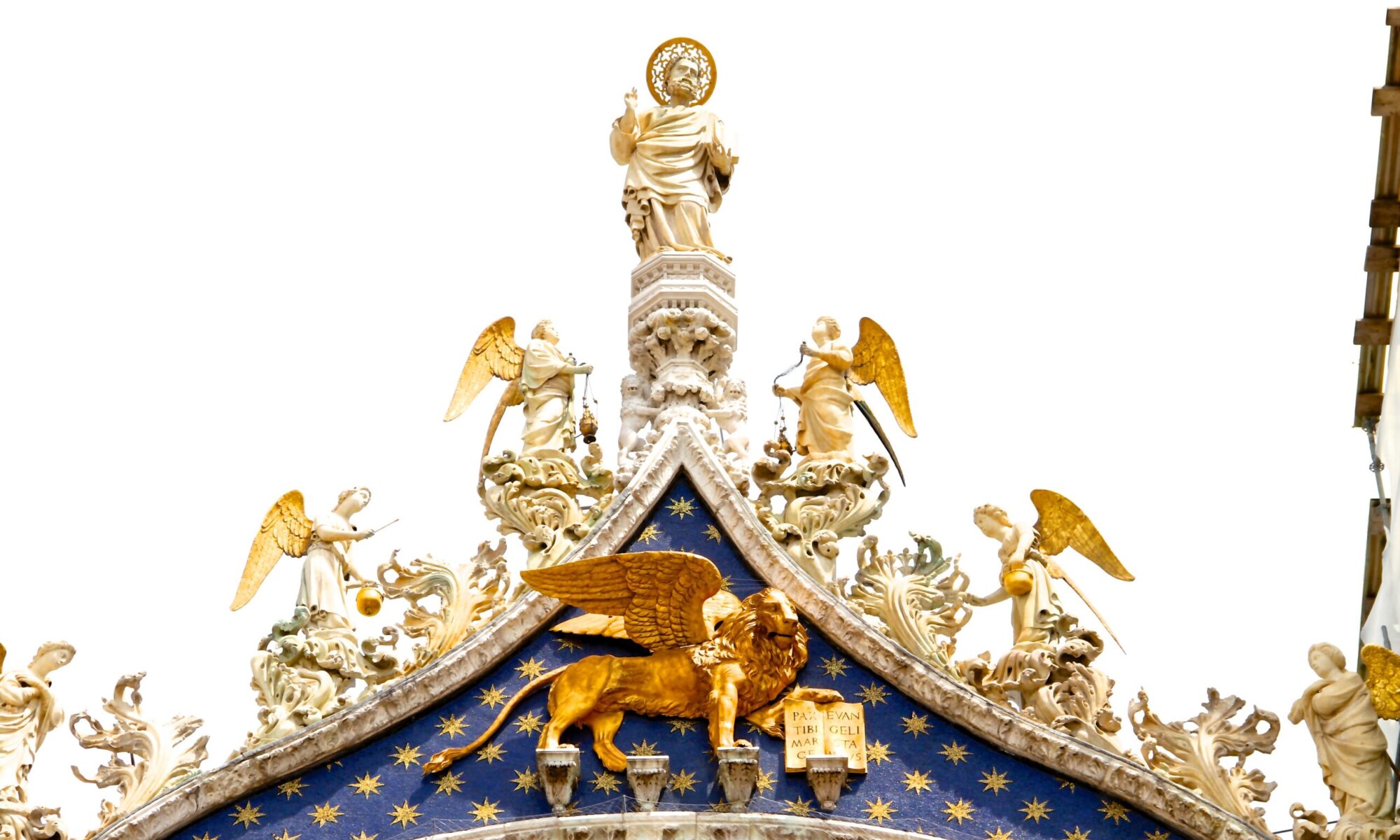
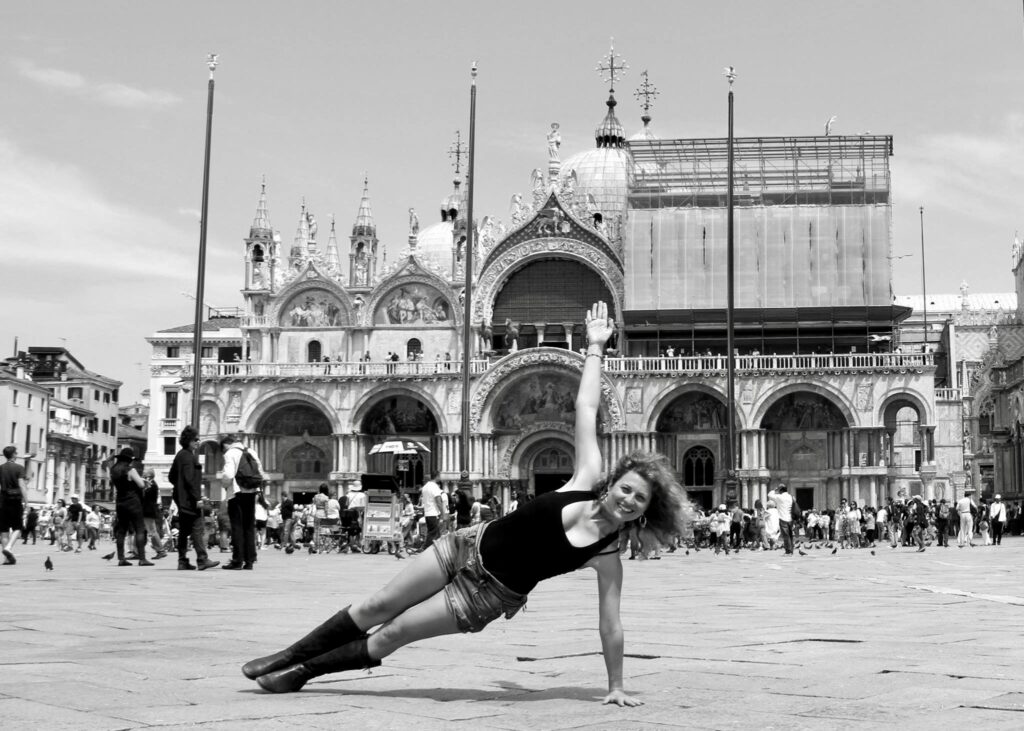
Perhaps this is one of the reasons Venice felt strangely familiar when I arrived.
Venezia and Varanasi are separated by thousands of kilometres and belong to completely different cultures, yet something about them speaks to me in a similar way. Both are ancient cities shaped by water. Both are labyrinths where you walk through narrow passages and suddenly find yourself standing before the water again. In Varanasi, the galis lead you towards the Ganges; in Venice, the calli open unexpectedly onto canals and the lagoon
In both cities, getting lost is almost part of understanding where you are.
But my connection with Venice became much deeper than I could have imagined.
I came here only for a short visit.
On November 11th, 2024, while I was in Venice, Sharathji passed away unexpectedly in the United States. Suddenly, I found myself without the teacher who had helped give direction to such an important part of my life.
He had wanted me to teach full time.
And so, in a moment when I could easily have returned to what was familiar, I decided to stay.
I began studying at Ca’ Foscari University and continued teaching and sharing the practice. There was something meaningful in this too: one of my closest teachers is Venetian, studied Sanskrit at Ca’ Foscari, and eventually made her home in Varanasi.
Somehow, the two cities that had appeared at different moments of my life began to meet.
Kāśī is traditionally understood not simply as a place of endings, but as a place of passage and transformation. Looking back, I sometimes think Venice became this for me too.
I arrived as a visitor at a moment of profound change. I stayed because I felt that the way to honour what my teacher had given me was not to stop, but to continue — to remain a student, to teach, and to share.
There is something about Venice that resonates with the practice itself. It is a city you cannot rush. You discover it by walking, getting lost, returning to the same calli and bridges, and noticing the changing light upon the water.
Practice asks something similar of us.
We return each morning to the same mat, the same breath, the same movements — yet we are never quite the same person who practiced the day before.
In the early morning, before Venice wakes, I sometimes recognise something of Kāśī here: the silence, the water, the ancient buildings, the feeling of walking through a city that has witnessed countless human lives come and go.
I came to Venezia as a visitor.
I stayed as a student and a teacher.
And perhaps, without knowing it at the time, I had found another place of passage — another place in which to continue the journey my teachers had set me upon.
This feels much closer to the real reason for Mysore Venezia: not “I loved Venice and decided to open a yoga school,” but that you happened to be there at a decisive moment, and staying became part of how you chose to continue what your teacher had asked of you.